
Two thousand years in one square mile
The history of Chester
A legionary fortress, a Mercian burh, a medieval port, a besieged royalist city and a Victorian reinvention — eighteen guides to how Chester got this way.
Chester has been continuously occupied since AD 74, and unusually for an English city you can still read most of that history on the ground. The walls follow a Roman line. The four main streets follow the Roman plan. The cathedral stands where a Saxon minster stood, and the shops above the shops are medieval in conception if not in timber.
These pages go through it in order, then take a closer look at the buildings people actually come to see and at the stories that explain the rest.
In order
Eight periods, start to finish. Each page runs to about a thousand words.
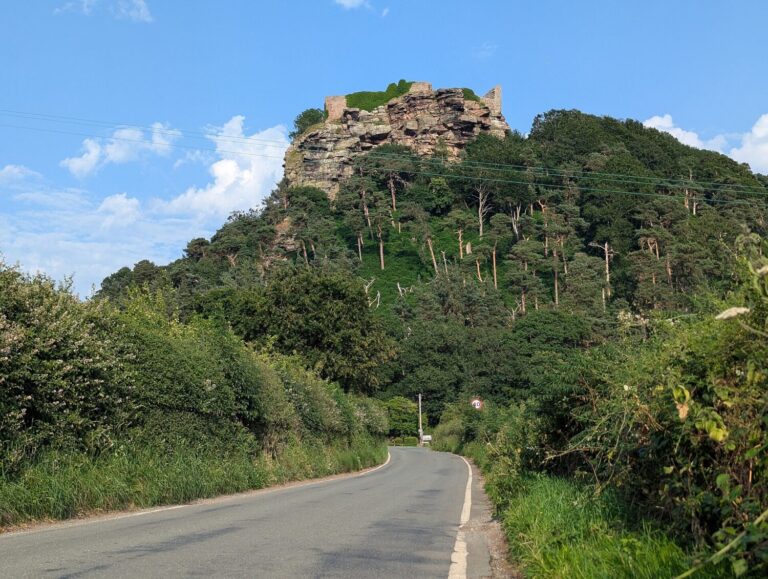 Before AD 74Before the RomansAlmost nothing prehistoric lies under Chester — and that absence explains why the Romans put a fortress here.
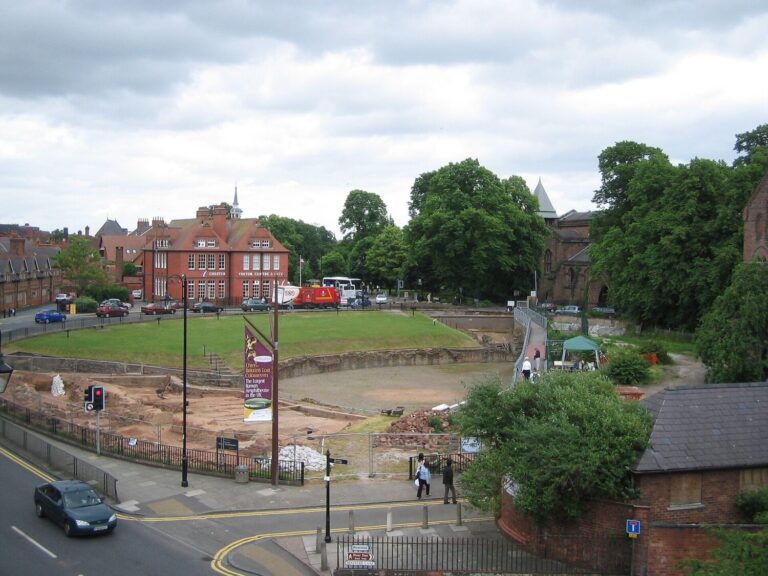 AD 74–410Roman ChesterDeva Victrix: the largest legionary fortress in Britain, the biggest known military amphitheatre, and a town that may have been meant as a provincial capital.
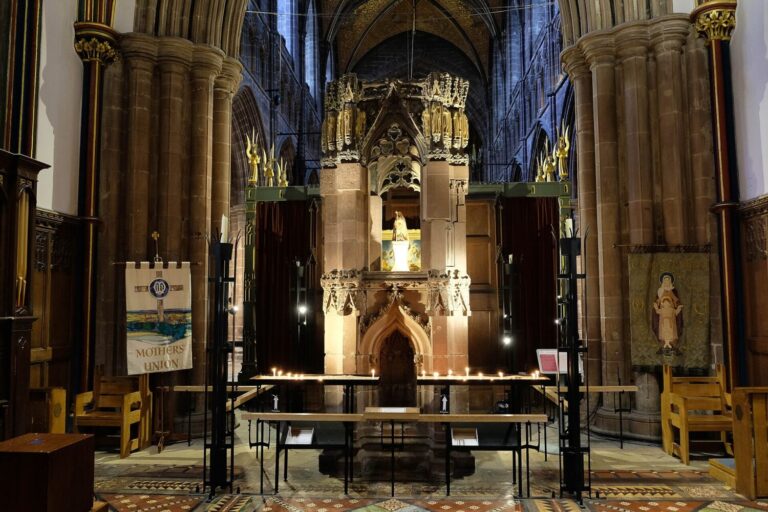 AD 400–1070Saxon and Viking ChesterÆthelflæd’s burh, a Hiberno-Norse trading quarter, and a mint that struck more coin than London.
 1070–1540Medieval ChesterThe Norman earls, the county palatine, the abbey, the Rows and a port trading with Aquitaine, Spain and Ireland.
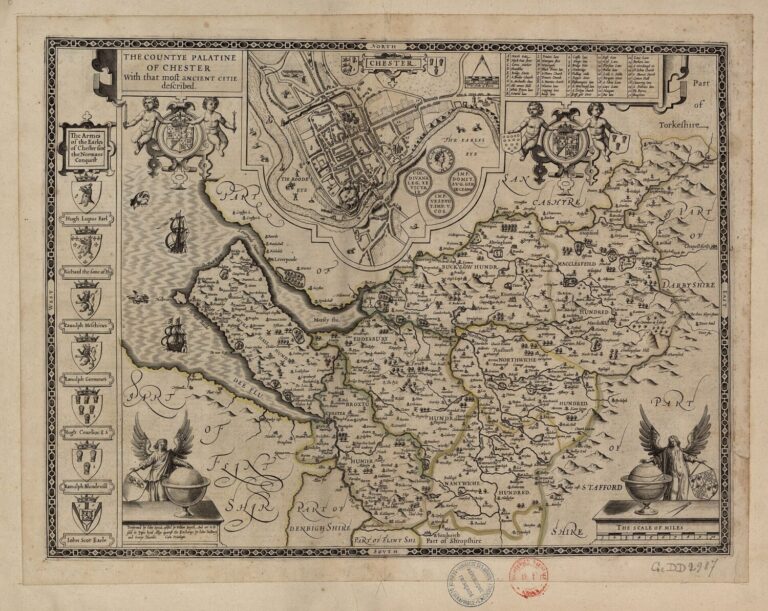 1540–1660Tudor and Stuart ChesterThe abbey becomes a cathedral, the Irish trade peaks, and the river quietly abandons the city.
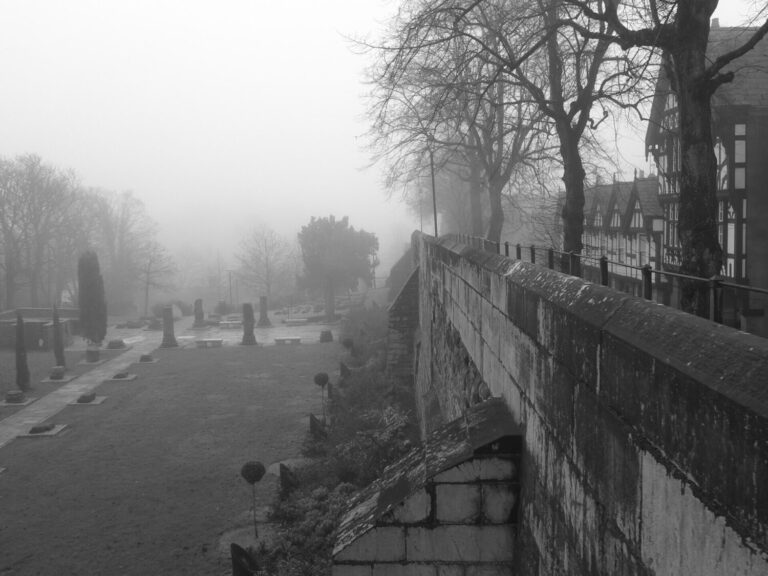 1642–1646The Siege of ChesterThree and a half years of blockade, the King watching defeat from the walls, and a quarter of the city burnt.
 1660–1900Georgian and Victorian ChesterHarrison’s bridges and castle, the railway, the Town Hall, and a city rebuilding itself in black and white.
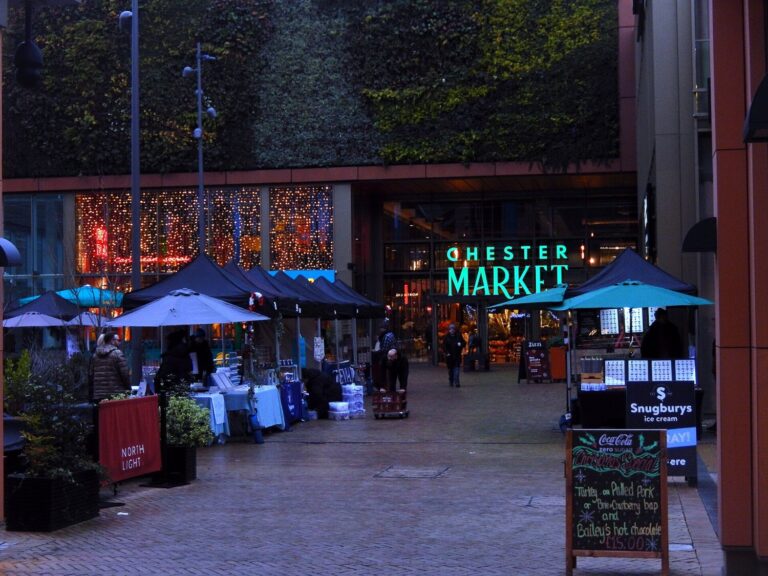 1900–todayModern ChesterA zoo, a ring road, the 1968 report that changed British conservation, Storyhouse and the new market.
The buildings
Longer histories of the places that define the city.
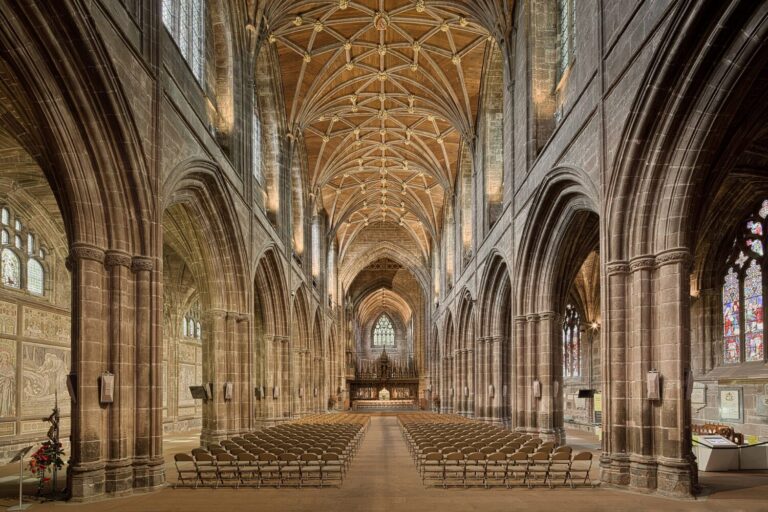 1092 to nowChester CathedralA Saxon shrine, a Benedictine abbey, a Tudor cathedral and a Victorian re-casing — plus the finest choir stalls in England.
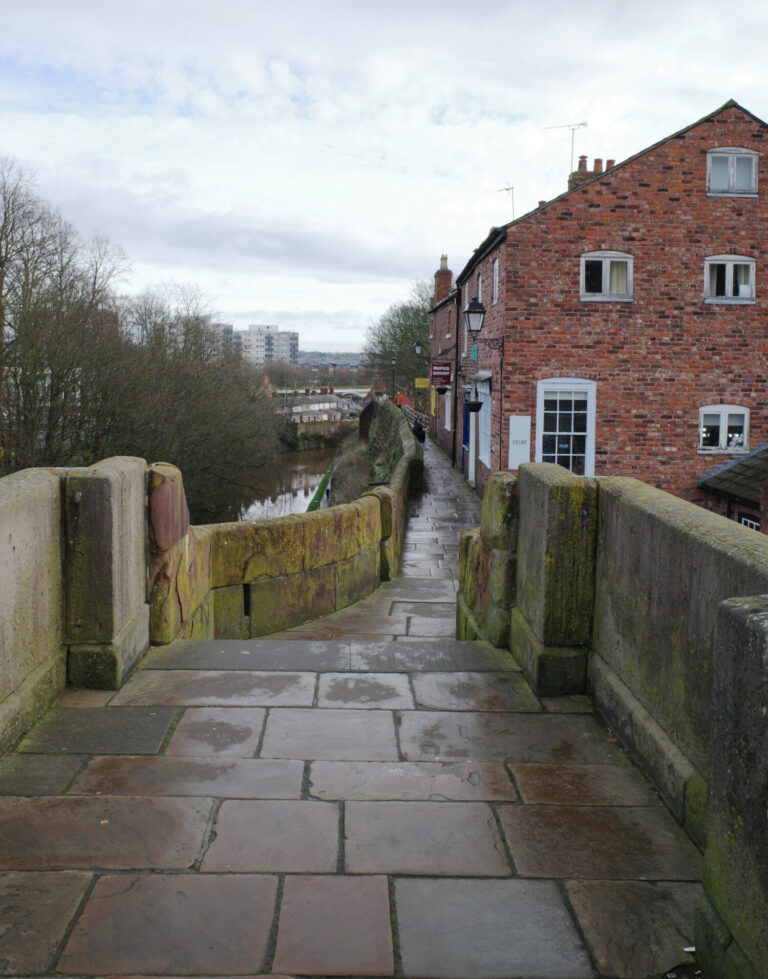 AD 74 to nowThe city wallsThe most complete circuit in Britain: 2.95 km of walkway, four Georgian gates and a two-thousand-year maintenance problem.
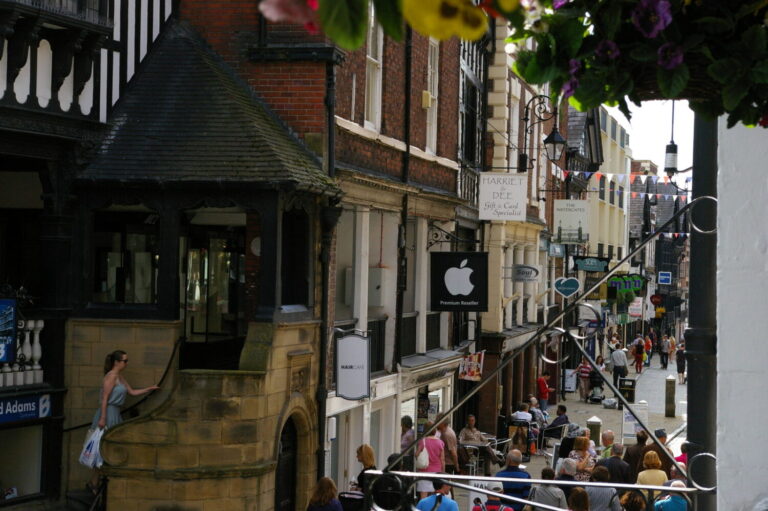 13th century to nowThe Chester RowsTwo tiers of shops with a covered walkway at first-floor level. Nothing else like it exists, and nobody knows why it happened here.
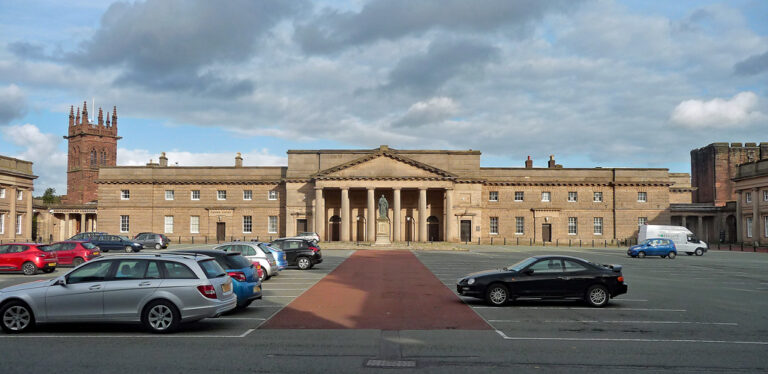 1070 to nowChester CastleA Norman motte, Edward I’s base for the conquest of Wales, a notorious gaol, and then Harrison’s Greek Revival masterpiece.
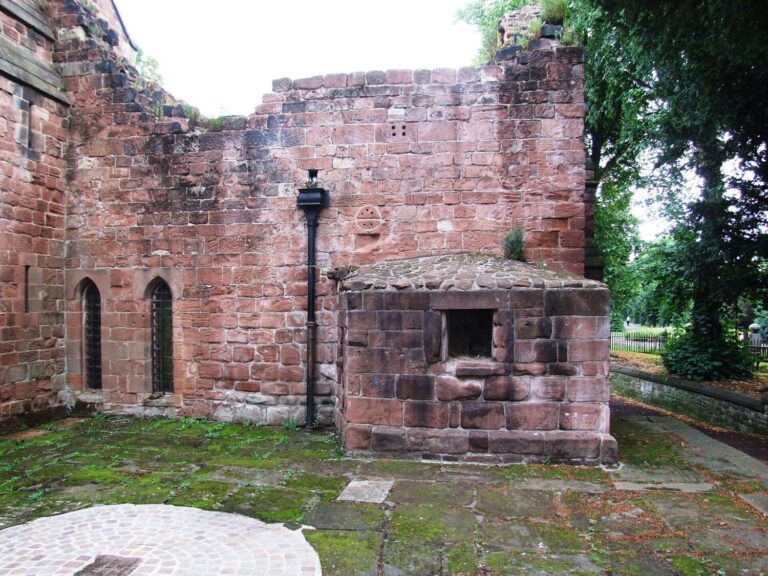 AD 689 to nowSt John the BaptistChester’s first cathedral, three collapsed towers, and the best Norman interior in Cheshire — five minutes outside the walls.
The stories that explain the rest
Why the city is where it is, why it looks the way it does, and who paid for it.
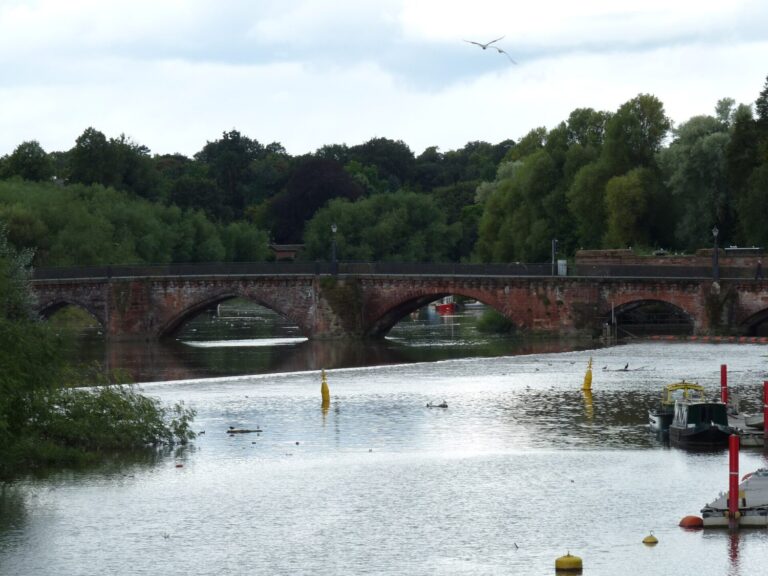 1100–1840The lost portChester was one of England’s great western ports until the estuary silted up. Everything else follows from that.
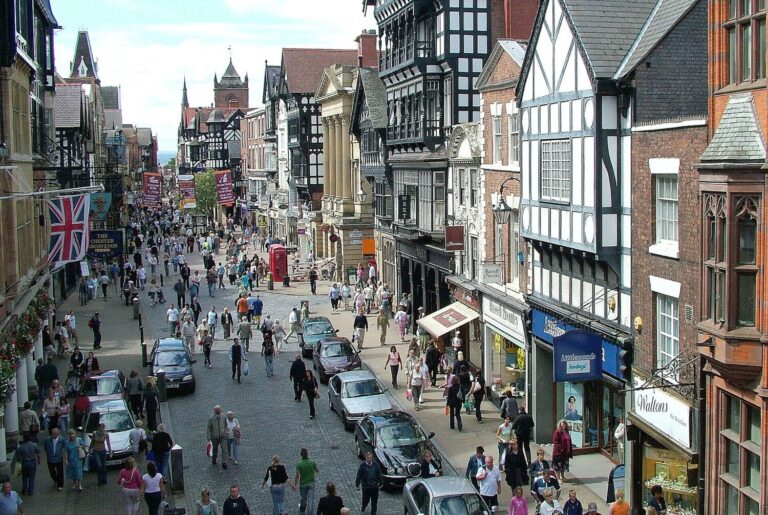 1300 to 2028The Mystery PlaysThe longest-surviving medieval play cycle in England — banned in 1578, revived in 1951, still performed every five years.
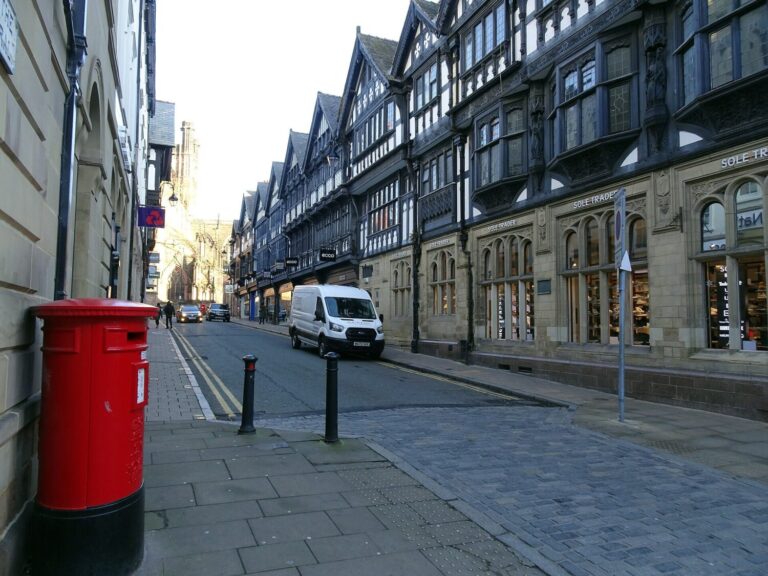 1860–1910The black-and-white revivalHalf the Tudor city is Victorian. John Douglas, Thomas Lockwood and the Duke of Westminster explain how.
 1539 to nowThe RoodeeRacing on a silted-up Roman harbour since 1539 — the oldest racecourse still in operation anywhere in the world.
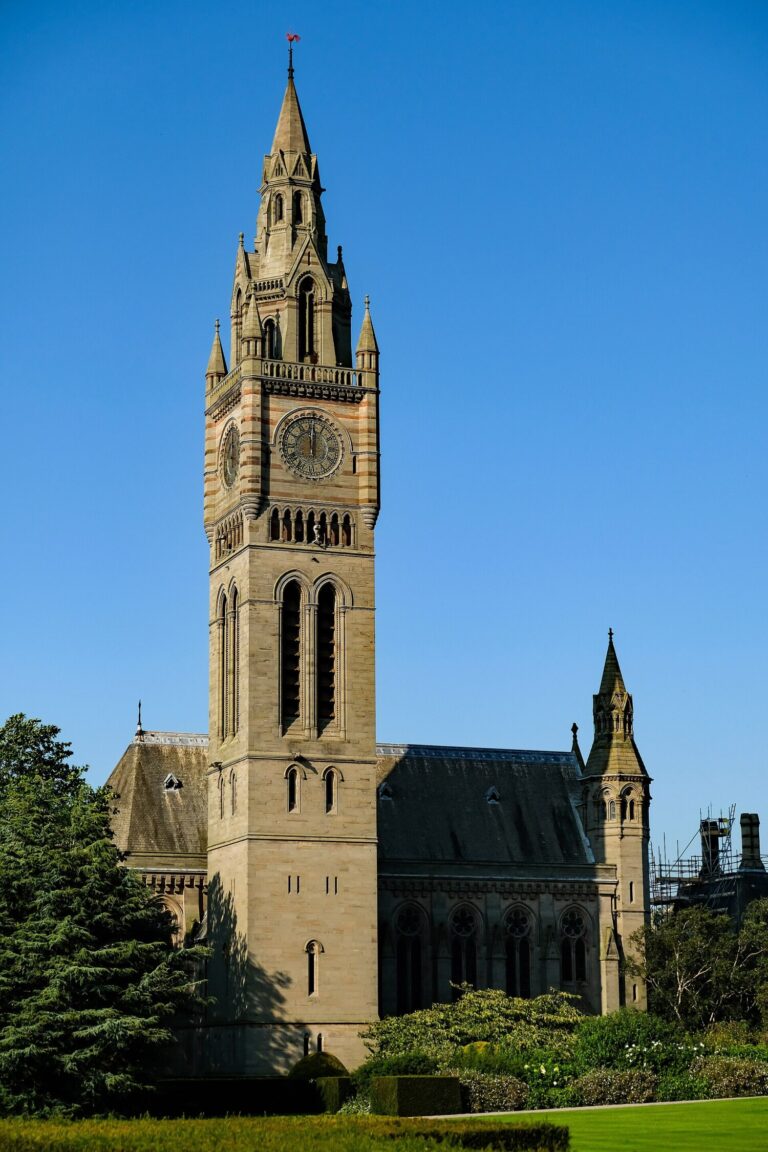 1622 to nowThe GrosvenorsThe park, the bridge, the museum and half the black-and-white city — one family, four miles from the Cross.
Seeing it for yourself
The single best introduction is the walls. A circuit takes about ninety minutes, costs nothing, and puts almost every period in this section within sight at some point. After that, the Grosvenor Museum on Grosvenor Street holds the Roman, Saxon and Viking material and is the place to go for the objects; the cathedral is free to enter and is a complete monastic site as well as a church; and the amphitheatre, the Roman Gardens and the Minerva shrine at Edgar’s Field are all a short walk from the Bridgegate.
See all 20 Chester attractions · Getting here and getting around
All eighteen history pages
Everything in this section, in one list.
Before the Romans · Roman · Saxon and Viking · Medieval · Tudor and Stuart · The Siege · Georgian and Victorian · Modern · The Cathedral · The city walls · The Rows · Chester Castle · St John the Baptist · The lost port · The Mystery Plays · The black-and-white revival · The Roodee · The Grosvenors
Photographs are reproduced under Creative Commons licences or are in the public domain; the photographer and licence are credited on each page.
Hero photograph: aerial photograph of Chester , Cheshire England UK