
Chester visitor guide
Welcome to Chester
A Roman fortress, a complete circuit of city walls, two tiers of medieval shops and the oldest racecourse in the world, all inside one walled square mile.
Explore attractionsTwo thousand years of historyWhat’s onWhere to stay
Chester has been lived in continuously since AD 74, and unusually for an English city you can still read most of that on the ground. The walls follow a Roman line and you can walk the whole two miles of them for nothing. The four main streets follow the Roman plan. The cathedral is a complete Benedictine monastery. And the shops above the shops, the Rows, exist nowhere else on earth.
This guide covers all of it: what to see, where to eat and stay, how to get here and park, what happens through the year, and nineteen pages on how the city got this way. If you have exactly one day, Chester in a day is the route that works; with children and in the rain are different problems with different answers.
Plan your visit
Chester at a glance
Start with the history
Nineteen pages covering the whole story, from the empty riverside spur the Romans chose to the market hall that opened in 2022. These four are the best places to begin.
What’s on in Chester
Shows at Storyhouse, gigs, museum days and family events over the next few weeks. The full list, with filters, is on the What’s On page.
- 22Oct
 Thu 22 Oct to Sun 25 OctHorrible Histories: Terrible TudorsStoryhouse, ChesterThe live Horrible Histories stage show with 3D effects, covering Henry VIII's wives, Mary I, Edward VI and the Spanish Armada.
 - 22OctThu 22 Oct to Sun 25 OctHorrible Histories: Awful EgyptiansStoryhouse, ChesterThe live Horrible Histories stage show with 3D effects, covering pharaohs, pyramids and mummies.
- 22Oct
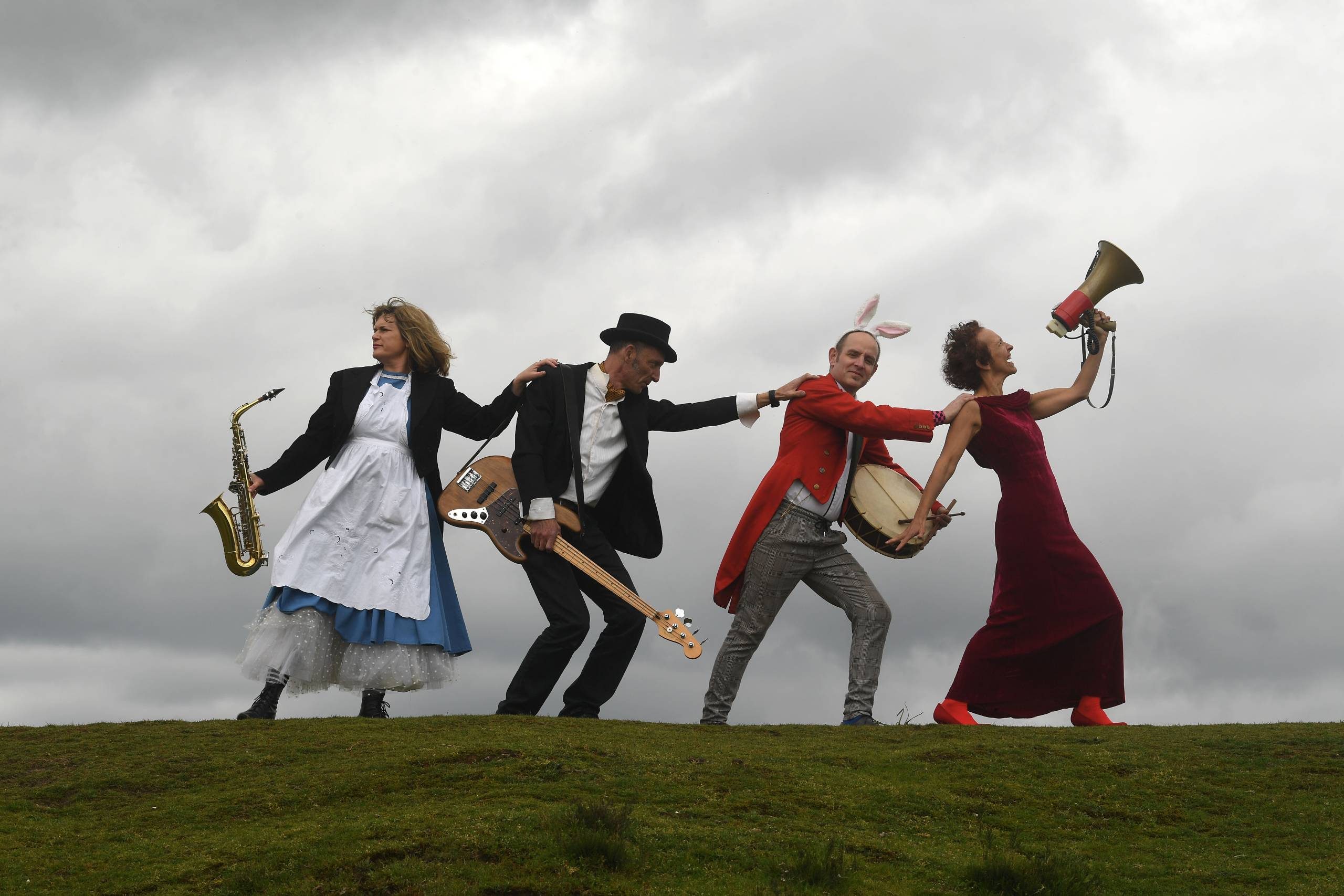 Thu 22 Oct, 7:30pmThe Alice Project: A Gig Theatre JourneyStoryhouse, ChesterPlatform 4's gig theatre show reimagines Alice in Wonderland through original music, Lewis Carroll's text and the voices of 40 contemporary Alices, performed with a four-piece...
Listings from North Wales Events. Check with the venue before you travel.
Featured Places
A few places worth knowing about around the city.
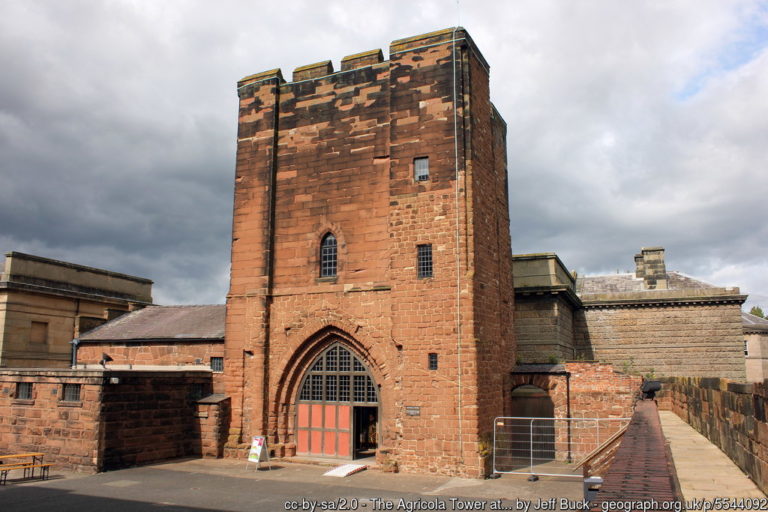 Chester Castle
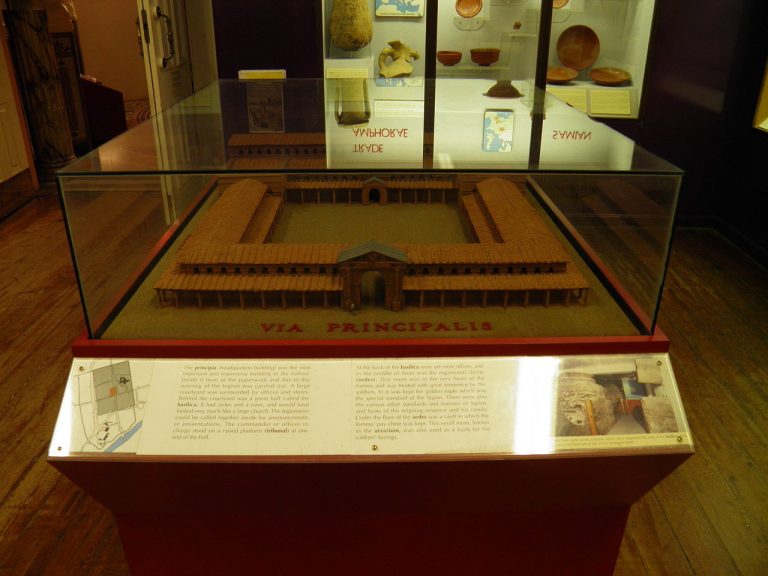 Grosvenor Museum
 Chester Racecourse
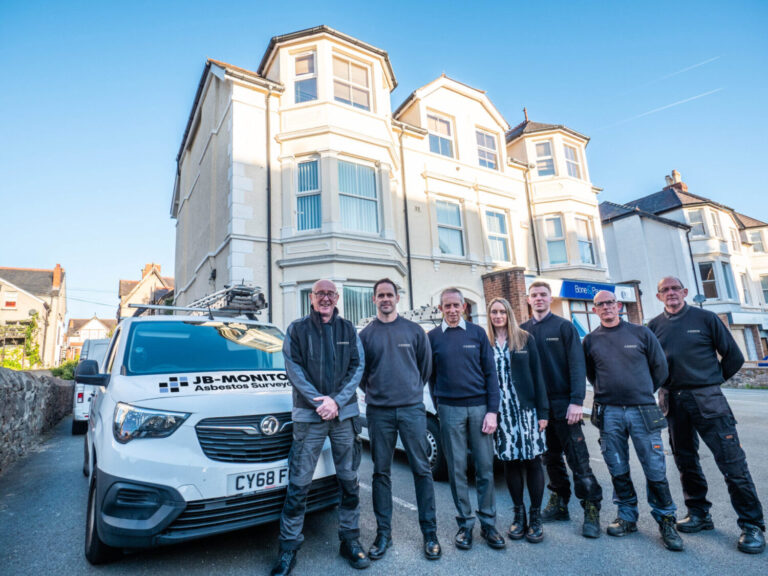 JB Monitor
 Storm Party Wall Surveyors
 BR Architecture
A Roman City
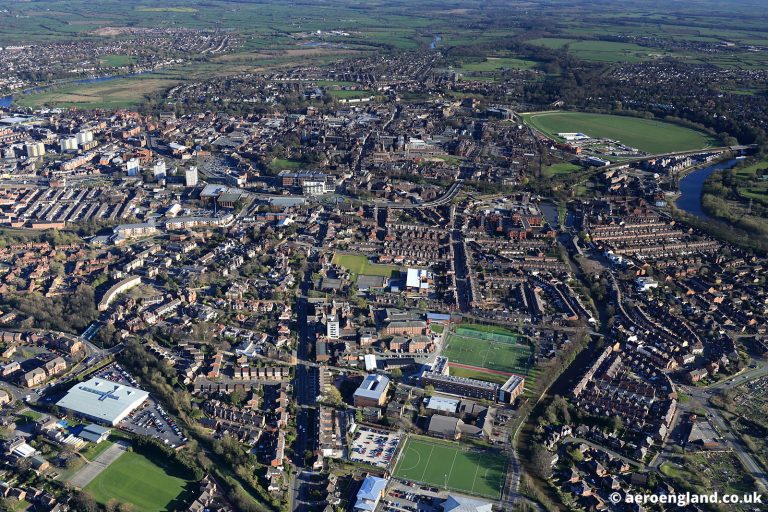
Chester is arguably the richest city in Britain for archaeological and architectural treasures preserved to this day from the time of the Roman occupation. Originally the fortress site of the 20th legion (Valeria Victrix) it was charged with suppressing the uprising of the army led by the warrior queen, Boadicea, the town being known then (c. AD70) as Deva, and soon became a major trading port.
Its massive harbour and border position made it one of the finest strategic outposts of the Roman Empire. Long after the Romans had gone, during the Dark Ages, Viking raiders arrived in their long boats along the same route. After the Romans withdrew circa AD400, the prosperous city fell prey to marauding Danes and Saxons and was virtually derelict by 900. The Normans reached Chester circa 1070 and a revival began – Chester Castle was built, housing Hugh the Wolf, First Earl of Chester, nephew of William the Conqueror. By the Middle Ages, Chester had become an affluent and prosperous port, and it was during this time that the famous Rows were built, so that by the 13th century it had again become a centre of shipping trade, a port serving Scotland, Ireland, France and Spain. In the 14th century began the Mystery Plays and pageants for which the city became famous. Henry VIII granted a charter in 1541 and made Chester a bishopric. By the 15th century the Dee began to silt up and gradually the seaborne trade died away; the 1640s then brought devastation during the English Civil War, with the city under siege for two years until starvation forced surrender. But throughout this chequered history, the Roman walls remained virtually intact.
Photo by bvi4092
The Walls of Chester

The Walls of Chester are the most complete city walls in Britain, the circuit measuring nearly two miles. They are almost entirely of medieval origin, with parts dating back to Roman times, and consist of a continuous circuit around the city with towers and gates along the way. The most remarkable feature of the walls, though, is the Rows – a double-level walkway with a continuous line of balconies and shops at both street and first-floor levels.
The Rows are unique, and were certainly in existence by the 14th century. In the Middle Ages several towers and gates were added to the walls: the most important of these was at Eastgate, now astride a main thoroughfare and crowned with a clock commemorating Queen Victoria’s diamond jubilee in 1897.
Walking the full circuit of Chester’s city walls typically takes about 45 minutes to an hour, depending on pace and any stops along the way to admire the views or explore the towers and gates. A few sections involve steps or steep inclines, so visitors with mobility issues may want to take that into account when planning a route – but overall it’s a pleasant and scenic way to experience the history and architecture of the city.
Changing Times

By the 1700s the River Dee had changed course and the port had silted up. The walls were no longer needed for defence and were restyled into the pleasant walkways enjoyed today. The Industrial Revolution brought canals, railways and roads, and it was during this time that many important buildings were restored. The most distinctive medieval feature of the city is its large and beautiful cathedral, whose site is thought to have been used by Christian worshippers as far back as the Roman era.
Photo by subherwal
Day trips and nearby towns
Chester’s border position also makes it a good base for exploring further afield: Betws-y-Coed (58 miles), Conwy (45 miles), Llandudno (46 miles) and Liverpool (22 miles) are all within reach, and the North Wales coast and Eryri open up from here – see our day trips guide for more.
Book your stay in Chester on Booking.com
Business directory
Check out Chester business listings at chesterandcheshire.net.
Find places to stay near Chester
This site is run by Livetech, providing SEO Chester services and digital marketing since 2000. For enquiries about promoting your business online, please call us on 01492 862820.
Find Us On Facebook | Connect With Us On LinkedIn | Follow Us On Twitter | Talk To Us With Skype | Follow Us on Instagram