
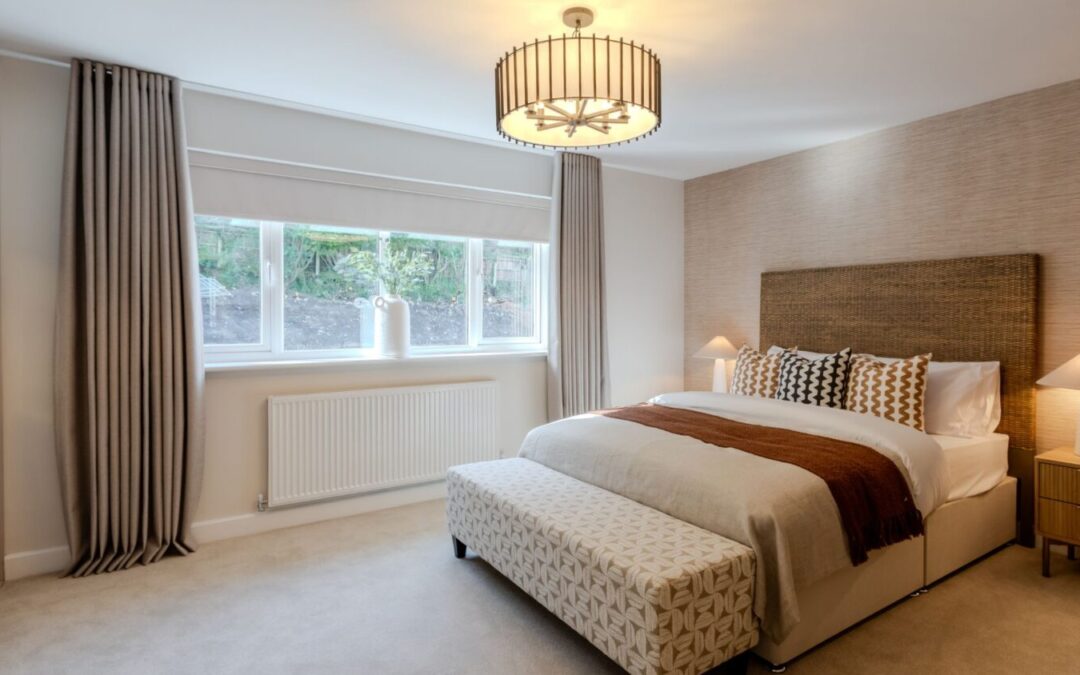
Buying luxury new houses north wales can be an exciting and rewarding experience. Whether you’re a first-time homebuyer or someone looking to upgrade to a new property, the process of purchasing a new build is different from buying an existing home. From the initial research to settling in, here’s a step-by-step guide to help you successfully navigate the journey of buying a new build home.
Step 1: Determine Your Budget
Before you even start looking at new build homes, it’s essential to know your budget. A new build can sometimes be more expensive than an existing home due to the modern features and customisation options. Consider these financial aspects:
- Mortgage Pre-Approval: Get pre-approved for a mortgage to determine how much you can borrow. This will give you a clear idea of your budget and make you a more attractive buyer to developers.
- Additional Costs: Factor in closing costs, stamp duty (if applicable), and any additional fees for things like landscaping, window treatments, or customisations.
- Ongoing Costs: Consider the long-term costs, such as utility bills, property taxes, and potential homeowner association fees.
Step 2: Research Builders and Developers
One of the first things you’ll need to do is choose the right builder or developer. Not all builders are created equal, so doing your research can save you from future headaches.
- Reputation: Look at reviews and testimonials from other homebuyers who’ve purchased from the developer. Check for any complaints or legal disputes, which can signal red flags.
- Warranties: New homes typically come with a builder’s warranty, so understand what’s covered and for how long. A good warranty should provide peace of mind.
- Quality and Design: Compare the quality of materials and the design options across different builders. Visit model homes and showrooms to get a feel for the style and finishes they offer.
Step 3: Choose the Right Location
When buying a new build home, location is just as important as the house itself. Consider these factors:
- Neighborhood: Is the neighborhood growing or well-established? What are the local amenities like schools, parks, shops, and public transport options?
- Future Development: Research any planned future developments that might affect the value of the home or your quality of life. A new shopping center, highway, or industrial park could have an impact.
- Commute and Accessibility: If you work or travel frequently, consider how easy it is to get to your workplace or travel hubs.
Step 4: Explore Floor Plans and Customisation Options
Many new build homes come with a range of floor plans and customisation options. Take your time to choose a layout that fits your lifestyle.
- Room Sizes: Consider how much space you need in each room. If you’re planning to have a family, larger bedrooms or extra bathrooms may be important.
- Open Plan vs. Traditional Layout: Some people prefer open-plan living, while others might appreciate a more traditional separation of rooms. Ensure the layout fits your lifestyle.
- Customisation Options: New builds often allow you to customize aspects like flooring, countertops, or kitchen cabinets. Be sure to ask about these options and any associated costs.
Step 5: Visit the Site and Inspect the Property
Once you’ve narrowed down your choices, it’s crucial to visit the site in person.
- Tour the Model Home: Visit the model home or show home to get a feel for the design, layout, and finishes. It will give you an idea of what the final product will look like.
- Site Visits: If the home is still under construction, visit the site to check on the progress. Speak to the builder about timelines and ask for updates on the construction schedule.
- Inspections: While new homes typically pass inspections, it’s a good idea to hire a professional to conduct a thorough inspection of the property before closing. This can help identify any issues that might have been overlooked.
Step 6: Review the Contract and Terms
Once you’ve chosen a new build home, carefully review the contract before signing. Builders’ contracts are often lengthy and full of legal language, so consider having a lawyer or real estate professional review the terms.
- Completion Date: Ensure that the contract specifies a clear completion date. If there are delays, you want to know what compensation or penalties are involved.
- Deposit and Payment Schedule: Understand the deposit requirements and the payment schedule. Some builders require a deposit upfront, while others may have a staged payment plan based on milestones in the construction process.
- Contingencies: Ensure that the contract includes any contingencies for things like construction delays or changes to the plans.
Step 7: Secure Your Financing
Once the contract is signed, it’s time to finalise your financing. This is a critical step in the home-buying process.
- Mortgage Options: Work with your lender to find the best mortgage for your situation. New homes may qualify for certain incentives or mortgage products, such as a government-backed loan or a special rate from the builder’s preferred lender.
- Deposit: Ensure you have the funds for your deposit, which is typically due early in the process. Keep in mind that new builds often have deposit schedules based on the construction timeline.
Step 8: Final Walk-Through
As your home nears completion, schedule a final walk-through with the builder. This is your chance to inspect the property and ensure everything is to your satisfaction before closing.
- Check for Issues: Look for any unfinished work or cosmetic imperfections that need to be addressed, such as paint touch-ups or scuff marks.
- Ask Questions: Don’t hesitate to ask the builder about the operation of systems like HVAC, plumbing, and electrical. Make sure you understand how everything works.
- Snagging List: If you find any issues, ask the builder to create a “snagging list,” which outlines any minor repairs or fixes that need to be completed before you move in.
Step 9: Close the Deal and Move In
Once you’ve completed the final walk-through and the house is ready, it’s time to close the deal. This typically involves:
- Final Payment: Pay the remaining balance, as outlined in the contract.
- Property Transfer: Complete the legal paperwork to transfer ownership of the property. Your lawyer or agent will usually handle this.
- Move-In: After the paperwork is signed and the keys are handed over, you’re officially a homeowner! Now it’s time to move in and make the house your own.
Step 10: Settle Into Your New Home
After moving in, there are still a few steps to take to ensure you’re fully settled in.
- Register with Utilities: Set up your utility accounts, including gas, electricity, water, and internet.
- Warranty and Maintenance: Review your builder’s warranty and keep track of any maintenance or issues that arise. Many builders will offer a warranty for the first few years.
- Personalise Your Home: Finally, start adding your personal touches to make the home truly yours. Whether it’s decorating, landscaping, or custom furniture, the fun begins once you settle in!
Conclusion
Buying a new build home can be a smooth and rewarding process if you approach it step by step. From understanding your budget to ensuring the property is in perfect condition before you move in, the key is careful planning, research, and communication with your builder. By following this guide, you’ll be well on your way to owning a beautiful new home that suits your needs and lifestyle. Happy house hunting!