

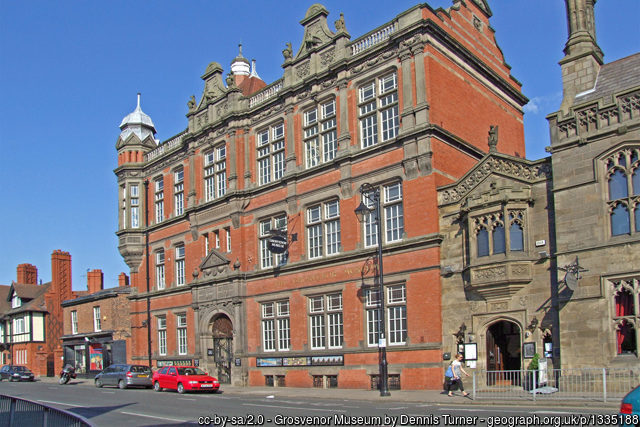
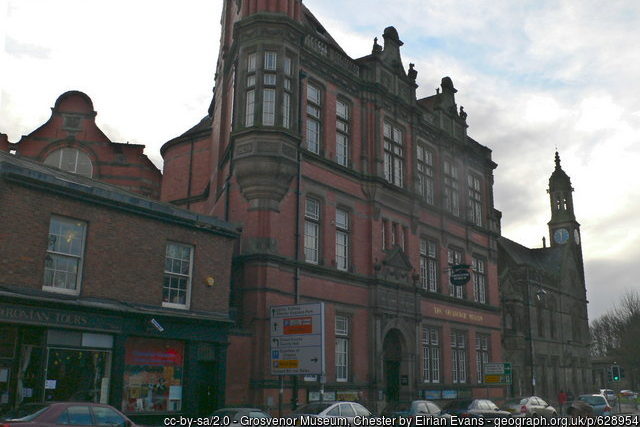
Chester’s principal museum, free to enter, and considerably better than a city of this size has any right to expect. It opened in 1886, funded largely by the first Duke of Westminster, who put £4,000 towards the £11,000 raised and gave the land on Grosvenor Street; Thomas Lockwood designed the building. It was extended in 1894 and substantially refurbished between 1989 and 1999. Its full title is splendidly Victorian: The Grosvenor Museum of Natural History and Archaeology, with Schools of Science and Art, for Chester, Cheshire and North Wales.
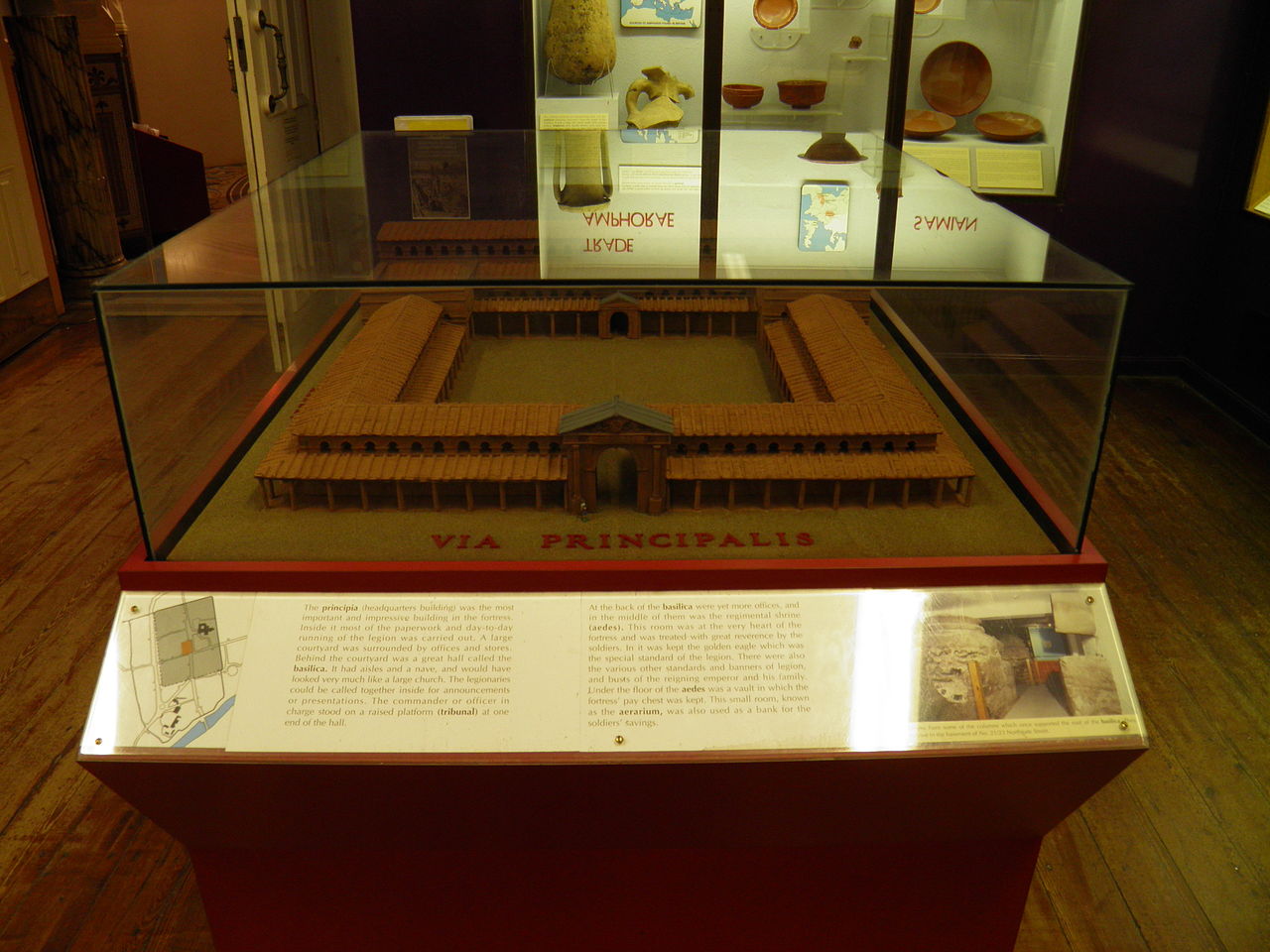
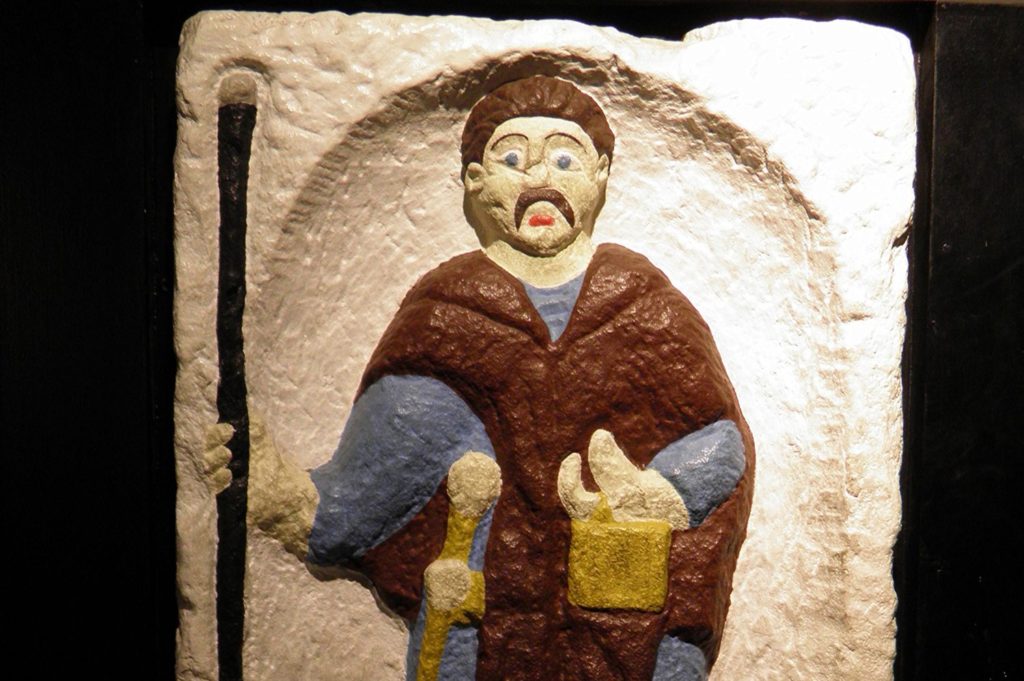
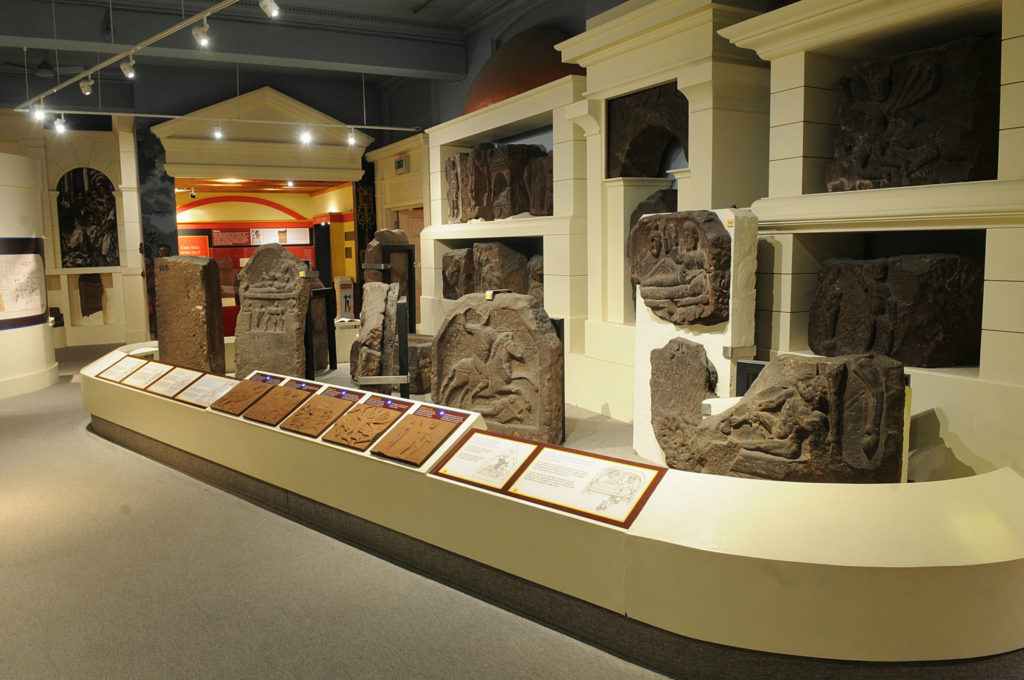
The Roman stones gallery is the reason most people come, and it holds one of the most important collections of Roman tombstones and inscriptions in Britain. Most were recovered from the north city wall in the 1880s, where later generations had broken them up and reused them as building rubble – which is precisely why so many survived, and why a few still carry traces of their original paint. Taken together they give an unusually direct picture of who was garrisoned at Deva Victrix, where they had come from, and how they wanted to be remembered.
Beyond the Roman collection there is natural history, a gallery of Chester silver, the largest public collection of Louise Rayner’s watercolours of the city, and a set of recorders by the maker Peter Bressan. At the rear of the museum, 20 Castle Street is fitted out as a period house, each room furnished to a different era – a Jacobean parlour, a Georgian drawing room, a Victorian kitchen. The curator Graham Webster began it in 1955 with the Victorian parlour, and it has grown room by room ever since.
Admission is free and the museum opens most days of the year. It stands on Grosvenor Street, two minutes from Chester Castle and the Cheshire Military Museum, and about five minutes from the Cross – easily combined with either.
Official website: grosvenormuseum.westcheshiremuseums.co.uk
Photo credits to: http://www.flickr.com/people/41523983@N08 , from FRANKFURT, Germany CC by 2.0